
Blog
Signs of Zinc Deficiency in Women: Symptoms, Causes, and Natural Solutions

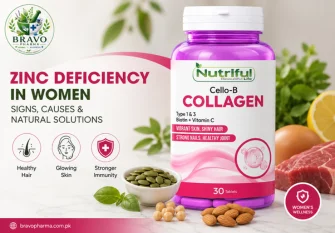
Most women in Pakistan know to watch their calcium, iron, and vitamin D levels. Zinc rarely makes that list, yet national nutrition data shows that more than one in five women of reproductive age in Pakistan is zinc deficient. Because the symptoms overlap with everyday fatigue, hormonal changes, and hair fall, zinc deficiency is one of the most commonly missed nutrient gaps in women’s health.
This guide explains what zinc does in the female body, how to recognize the early warning signs, why Pakistani women are especially at risk, and what practical steps can help restore healthy levels. It also breaks down how zinc deficiency differs from the more familiar iron deficiency, since the two are often confused but call for different testing and treatment.
What Zinc Does in the Female Body
Zinc is a trace mineral involved in more than 300 enzyme reactions in the body. It supports immune defense, wound healing, protein synthesis, and DNA formation. For women specifically, zinc also plays a direct role in hormone regulation, menstrual cycle health, skin renewal, and healthy hair growth.
Unlike some nutrients, the body cannot store zinc in large reserves. That makes consistent daily intake through food or supplementation essential, especially during high-demand life stages such as menstruation, pregnancy, and breastfeeding.
According to the NIH Office of Dietary Supplements, adult women aged 19 and older need about 8 milligrams of zinc a day, rising to roughly 11 to 12 milligrams during pregnancy and breastfeeding.
How Common Is Zinc Deficiency in Pakistani Women
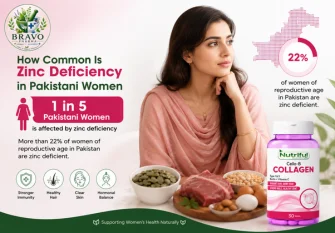
Pakistan’s National Nutrition Survey found that zinc deficiency affects about 22 percent of women of reproductive age nationwide, with higher rates in rural households and in provinces including Punjab, Balochistan, and Sindh. This puts zinc deficiency roughly on par with iron and vitamin A deficiency as one of the country’s most widespread micronutrient gaps in women, yet it receives far less attention.
Diets heavy in wheat-based staples and legumes without enough meat, dairy, or seafood are a major contributor, since phytates in grains and beans reduce how much zinc the body can absorb from plant sources.
Signs and Symptoms of Zinc Deficiency in Women
Zinc deficiency tends to develop gradually, so the signs are often mistaken for stress, poor sleep, or general fatigue. Common indicators include:
- Persistent hair thinning or shedding: zinc deficiency weakens the hair follicle’s growth cycle, leading to diffuse thinning rather than sudden bald patches.
- Brittle nails and slow-healing skin: white spots on the nails, nails that split easily, and cuts or blemishes that take longer than usual to heal.
- Frequent colds and infections: zinc is essential for immune cell function, so low levels can mean catching illnesses more often or recovering more slowly.
- Irregular periods and worsened PMS: zinc supports hormone regulation, and low levels have been linked to more severe premenstrual symptoms.
- Persistent acne or skin irritation: zinc has anti-inflammatory properties that help regulate oil production and skin healing.
- Reduced sense of taste or smell: one of the more specific, though less commonly recognized, signs of low zinc.
- Low energy and poor appetite: often overlapping with other deficiencies, making zinc easy to overlook.
Zinc Deficiency vs. Iron Deficiency: Telling Them Apart
Because fatigue and hair fall appear in both conditions, women often assume iron is the only culprit. The table below highlights where the two conditions typically differ.
| Feature | Zinc Deficiency | Iron Deficiency |
| Hair pattern | Diffuse thinning, texture change | Overall shedding, often with pale scalp |
| Skin and nails | Acne, slow healing, white nail spots | Pale skin, spoon-shaped nails |
| Energy pattern | Low immunity, frequent infections | Breathlessness, dizziness, fatigue |
| Unique clue | Reduced taste or smell | Cravings for ice or non-food items |
| Confirmed by | Serum zinc test | Ferritin and hemoglobin test |
Many women are low in both minerals at once, since the dietary patterns that cause one often cause the other. A blood test is the only reliable way to know which nutrient, or both, needs attention.
What Causes Zinc Deficiency in Women
- A diet low in meat, dairy, seafood, or fortified foods, common with wheat- and legume-heavy meals.
- High intake of phytate-rich grains and beans, which block zinc absorption even when overall food intake looks adequate.
- Heavy menstrual bleeding, which increases mineral loss each cycle, especially in women with prolonged or heavy periods.
- Pregnancy and breastfeeding, which raise the body’s zinc requirements to support the baby’s growth and milk production.
- Digestive conditions such as Crohn’s disease or celiac disease that reduce how efficiently the gut absorbs zinc.
- Restrictive or crash dieting, which limits overall micronutrient intake and often removes zinc-rich animal foods first.
Most women don’t have just one of these factors in isolation. A wheat-heavy diet combined with heavy periods, for example, compounds the risk far more than either factor alone, which is part of why zinc deficiency is so widespread yet so under-diagnosed in Pakistan.
How Zinc Deficiency Is Diagnosed
Because symptoms are subtle and overlap with other deficiencies, the most reliable way to confirm zinc deficiency is a serum zinc blood test ordered by a doctor. Many physicians will test zinc alongside iron, vitamin D, and B12 when a woman reports fatigue, hair fall, or frequent illness, since these deficiencies commonly occur together.
Zinc-Rich Foods for Women
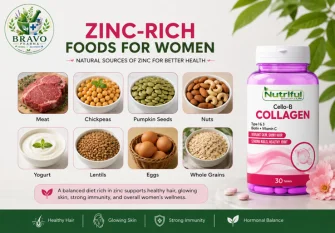
Diet is the first line of defense. Good sources of zinc include:
- Red meat, chicken, and eggs
- Chickpeas, lentils, and other legumes
- Pumpkin seeds and cashews
- Dairy products such as yogurt and milk
- Whole grains (soaking or sprouting reduces the phytates that block absorption)
- Seafood, particularly shrimp and fish, where available
When to Consider a Zinc Supplement
For most women, correcting mild zinc deficiency starts with adjusting the diet: adding more animal protein, legumes, and seeds while reducing reliance on refined grains. When diet alone isn’t enough, or when a blood test confirms a deficiency, a doctor may recommend a short course of zinc supplementation, often alongside other commonly co-deficient nutrients like iron or B vitamins.
Bravo Pharma’s nutraceuticals and wellness range includes daily wellness support formulated for common nutritional gaps in Pakistani women, and can be a useful starting point when discussing options with a healthcare provider.
Because excess zinc can interfere with copper and iron absorption and cause nausea or stomach upset, supplementation should always follow a doctor’s guidance rather than self-directed high doses.
Frequently Asked Questions
Can zinc deficiency cause hair loss in women?
Yes. Zinc is required for healthy hair follicle function, and low levels are linked to diffuse thinning and slower regrowth. Hair fall from zinc deficiency is usually gradual rather than sudden.
How long does it take to correct zinc deficiency?
With dietary changes and, if needed, supplementation guided by a doctor, most women see improvement within 2 to 3 months, though timelines vary with the severity of the deficiency.
Can I be zinc and iron deficient at the same time?
Yes, this is common because both minerals are found in similar foods and are affected by similar diets. A blood test that checks both is the most reliable way to confirm.
Is zinc deficiency more common during pregnancy?
Yes. Zinc requirements increase during pregnancy and breastfeeding to support the growing baby, so healthcare providers often monitor levels more closely during this time.
Can too much zinc be harmful?
Yes. Excess zinc can cause nausea, cramps, and interfere with iron and copper absorption. Supplements should stay within the levels a doctor recommends rather than exceeding the daily requirement.
What’s the difference between zinc deficiency and just being tired?
Ordinary tiredness usually improves with rest and sleep. Zinc-related fatigue tends to persist alongside other signs, such as frequent infections, slow-healing skin, or noticeable hair thinning, and doesn’t fully resolve with rest alone. If tiredness lingers for several weeks alongside these other symptoms, it’s worth asking a doctor about a blood test rather than assuming it’s just a busy season.
Conclusion
Zinc deficiency is one of the more overlooked nutrient gaps among Pakistani women, despite affecting roughly one in five. Because its symptoms mimic ordinary fatigue and stress, it’s easy to miss without a blood test. Paying attention to hair, skin, immunity, and menstrual changes, combined with a zinc-rich diet, is the most reliable way to catch it early and keep the body functioning the way it should.