
Blog
Understanding Vitamin D Deficiency Symptoms: A Complete Evidence-Based Guide

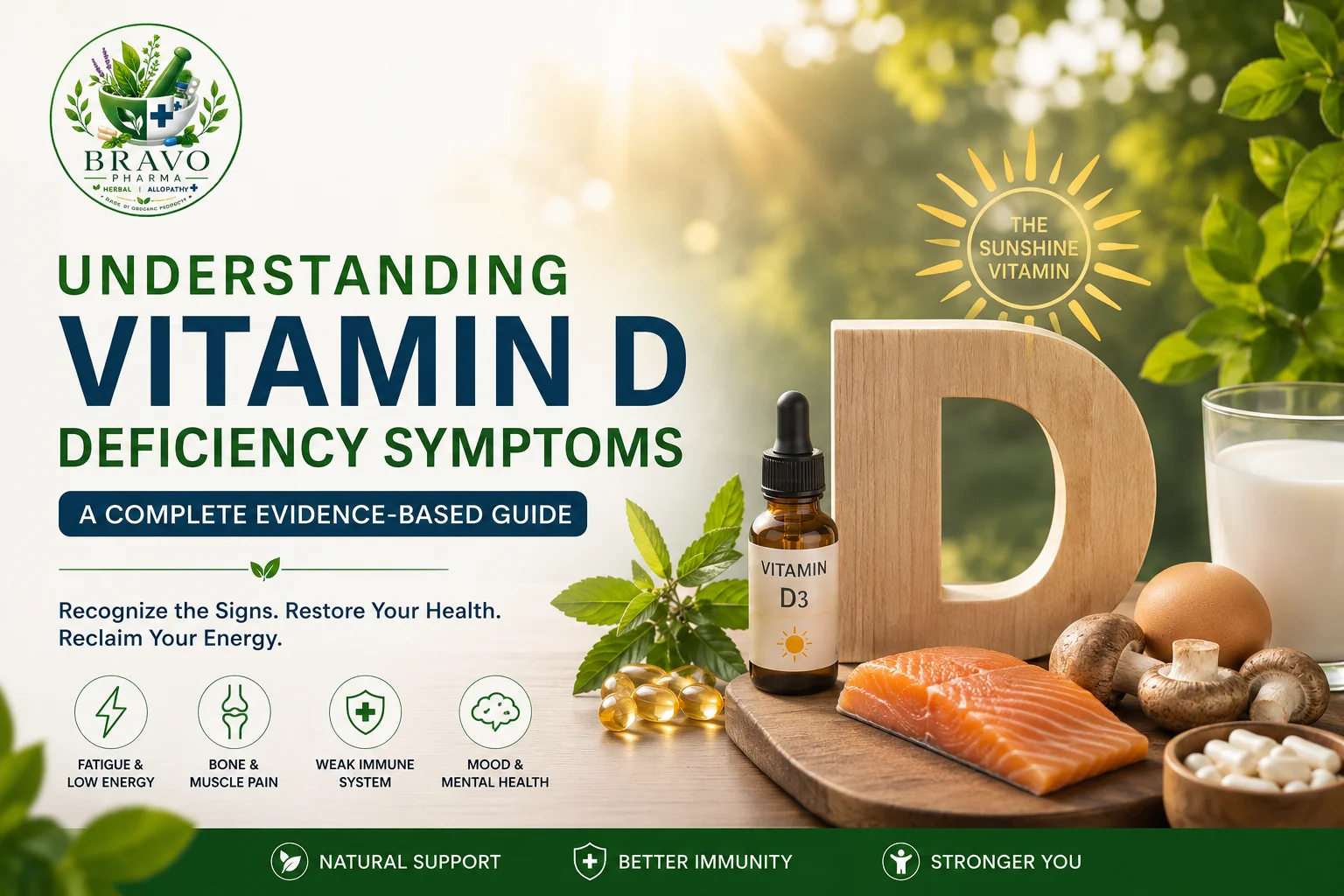
Vitamin D, often called the “sunshine vitamin,” is unique because it acts more like a hormone than a regular nutrient. It governs everything from how your body absorbs calcium to how well your immune system fights off seasonal bugs. Despite its critical role, vitamin D deficiency is one of the most widespread nutritional issues globally, silently affecting nearly 1 billion individuals.
Because the initial indicators can be incredibly subtle or mimic the daily stress of modern life, many people remain undiagnosed for years. Understanding the exact spectrum of vitamin d deficiency symptoms is the first step toward reclaiming your energy, skeletal strength, and immune resilience.
What is Vitamin D and Why Does It Matter?
Unlike most other essential vitamins that you must strictly absorb from your diet, your body has the remarkable capability to synthesize vitamin D on its own. When your bare skin is exposed to sunlight—specifically ultraviolet B (UVB) rays—it kickstarts a chemical reaction that creates a precursor molecule. This compound travels through your bloodstream to be converted into its active form, calcitriol, first by your liver and then by your kidneys.
According to established medical literature, active vitamin D acts as a universal key, locking into receptors found in virtually every single tissue and cell type within the human body. Without adequate active levels, your digestive tract cannot properly absorb dietary calcium, causing your body to leach the mineral from your bones to preserve critical heart and nerve functions.
Common Low Vitamin D Signs to Watch For
In its mild-to-moderate stages, suboptimal levels rarely cause dramatic or acute medical emergencies. Instead, you are more likely to notice gradual, generalized changes in your physical and mental well-being. Keeping a close eye out for these low vitamin d signs can help you address the issue before it causes permanent structural or immune damage.
1. Vitamin D Deficiency Fatigue and Sluggishness
One of the most frequent, yet highly dismissed, indicators is profound and persistent exhaustion. Clinical studies reveal that vitamin D plays a foundational role in maintaining mitochondrial health—the microscopic “powerhouses” inside your cells responsible for producing energy. This specific vitamin d deficiency fatigue goes beyond normal tiredness; it often feels like waking up entirely unrefreshed despite sleeping a full eight hours, or experiencing a sudden afternoon energy crash that makes standard daily tasks feel monumental.
2. Persistent Bone and Lower Back Pain
Because vitamin D is the main regulatory gatekeeper for your skeletal health, low levels prevent adequate bone mineralization. This frequently translates into deep, dull, or throbbing aches inside the structural framework of your body. It is most commonly localized as lower back stiffness, deep pelvic aches, or discomfort in the larger weight-bearing bones of your thighs and shins. Unlike typical muscle soreness that clears up a few days after a tough workout, skeletal bone pain is chronic and tends to worsen during or after prolonged standing.
3. Frequent Illnesses and Slow Immune Response
Vitamin D interacts directly with the primary cells responsible for identifying and destroying pathogens, including your T-cells and macrophages. If you catch every single respiratory bug, cold, or flu that circulates through your workplace, your vitamin D levels may be critically depleted. Research published on platforms detailing health metrics, such as the NIH Vitamin D Resource Page, shows a profound correlation between suboptimal vitamin D status and heightened vulnerability to respiratory infections like acute bronchitis and pneumonia.
4. General Muscle Aches and Weakness
Beyond bones, vitamin D receptors are heavily distributed throughout both muscle fibers and nociceptors (the specialized nerve cells that sense pain). A deficiency can lower your overall pain threshold while causing proximal muscle weakness—meaning the large muscle groups closest to your core, such as your upper arms and thighs, feel heavy and weak. You might notice this when climbing up a flight of stairs or trying to push yourself out of a deep couch.
Recognizing Severe Vitamin D Deficiency Symptoms
When vitamin D levels drop significantly low and stay there for months or years, the systemic effects progress from inconvenient to severe. Identifying these severe vitamin d deficiency symptoms early is paramount to preventing irreversible long-term health complications.
| Severe Symptom | Underlying Physiological Mechanism | Long-Term Clinical Impact |
|---|---|---|
| Osteomalacia & Bone Loss | Chronic lack of calcium forces the body to demineralize bone matrix to maintain normal blood calcium levels. | Progressive softening of adult bones, structural skeletal deformities, and a high risk of unexpected fractures. |
| Severe Depressive Mood Shifts | Receptors in the brain control neurotrophic factors and pathways that regulate mood neurotransmitters like serotonin. | Increased vulnerability to major depressive disorder, severe seasonal affective disorder (SAD), and brain fog. |
| Impaired & Delayed Healing | Vitamin D regulates the expression of growth factors and antimicrobials required to synthesize new skin tissue. | Slower recovery times from surgical incisions, open skin wounds, and a heightened risk of secondary skin infections. |
Who is Most at Risk?
While anyone can develop a deficiency, specific demographics are structurally predisposed to low levels due to biological, geographical, or lifestyle variables:
- Individuals with Darker Skin: Higher quantities of melanin act as a natural sunscreen, significantly reducing the skin’s capacity to synthesize vitamin D from sunlight.
- Older Adults: As we age, our skin naturally becomes far less efficient at producing the vitamin, combined with the fact that older individuals often spend less time outdoors.
- Geographical and Lifestyle Variables: Living in northern latitudes with limited winter sun, working long hours inside an office, or strictly applying high-SPF sunscreen can easily block essential UVB rays.
- Gastrointestinal Malabsorption: Because vitamin D is a fat-soluble nutrient, conditions like celiac disease, Crohn’s disease, ulcerative colitis, or previous gastric bypass surgeries impair the gut’s ability to extract it from food sources.
How to Test and Diagnose Your Levels

You cannot safely guess your vitamin D status based on symptoms alone. The only objective, definitive diagnostic pathway is a routine blood draw known as the 25-hydroxyvitamin D [25(OH)D] test. This measurement accounts for both the vitamin D produced by your skin and the amounts ingested via nutrition or supplements.
Medical organizations typically categorize your blood test results into three main tiers:
- Deficient: Less than 20 ng/mL (50 nmol/L)
- Insufficient: Between 20 and 30 ng/mL (50 to 75 nmol/L)
- Sufficient / Optimal Zone: Greater than 30 ng/mL (75 nmol/L)
Evidence-Based Ways to Optimize Your Vitamin D
If your laboratory tests confirm that your levels are tracking low, stabilizing them requires a targeted, systematic approach. Attempting to fix a severe deficiency solely through random sun exposure or minor dietary changes is rarely sufficient.
1. Strategic Dietary Choices
While very few foods naturally contain high quantities, you can strategically introduce options like fatty fish (salmon, mackerel, sardines), beef liver, egg yolks, and UV-exposed mushrooms. Many regions also offer fortified foods like milk, orange juice, and breakfast cereals to support daily intake. For a wider scientific view on food fortification and health, reviewing the Harvard Nutrition Source Page provides an extensive summary.
2. Safe, Mindful Sun Exposure
Aiming for roughly 10 to 15 minutes of direct midday sun exposure on your arms, legs, or back two to three times a week can stimulate robust natural production. However, you must always balance this with dermatological safety to avoid sunburn and long-term skin damage.
3. High-Quality, Bioavailable Supplementation
For moderate-to-severe deficiencies, high-quality supplements are frequently prescribed by clinicians. To learn more about trusted pharmaceutical formulations, diagnostic resources, and premium wellness solutions, you can explore the medical and healthcare resources available through Bravo Pharma.
Co-Factor Tip: Because vitamin D is highly fat-soluble, always consume your supplement alongside a meal containing healthy dietary fats (like eggs, avocados, nuts, or olive oil) to maximize absorption. Furthermore, make sure you maintain adequate magnesium intake, as the liver and kidney enzymes that convert vitamin D into its active state cannot function without magnesium as a cofactor.
Frequently Asked Questions (FAQs)
1. How long does it take to reverse a vitamin D deficiency?
Depending on how low your initial levels are and the specific daily dose prescribed by your doctor, it typically takes between 6 to 12 weeks of consistent, targeted supplementation to bring your blood levels back up into the optimal, healthy range.
2. Can vitamin D deficiency cause hair loss?
Yes. Vitamin D plays a fundamental role in stimulating both new and old hair follicles. When your levels are severely depleted, the normal growth cycle of your hair can become disrupted, occasionally leading to noticeable thinning or conditions like alopecia areata.
3. Can I get enough vitamin D through a closed glass window?
No. Standard window glass effectively blocks almost all ultraviolet B (UVB) rays, which are the exact wavelengths your skin requires to synthesize the vitamin. To produce it naturally, you must step completely outdoors into direct sunlight.
4. Is vitamin D2 or D3 better for correcting a deficiency?
Clinical research firmly shows that Vitamin D3 (cholecalciferol) is substantially more effective at raising and maintaining long-term circulating vitamin D levels in the human body compared to Vitamin D2 (ergocalciferol).
5. What are the signs of taking too much vitamin D?
Because vitamin D is fat-soluble, excessive doses over a prolonged period can build up in your body, leading to toxicity (hypercalcemia). Key symptoms include severe nausea, unexpected vomiting, frequent urination, muscle weakness, and kidney stone development.
6. Can low vitamin D cause joint pain and stiffness?
Yes. Because a deficiency impairs proper calcium regulation, it can compromise the bone structures surrounding your joints and lead to systemic low-grade inflammation, causing widespread joint discomfort and morning stiffness.
Conclusion
Proactively recognizing and addressing your vitamin d deficiency symptoms is essential to sustained, long-term vitality. By working alongside health experts, monitoring your metrics via routine tests, and leaning on premier solutions like those offered at Bravo Pharma, you can systematically support your metabolic balance and live with renewed vigor.
Medical Disclaimer: This article is for informational purposes only and does not constitute medical advice. Consult a qualified healthcare professional for personalized medical guidance.
Medical Disclaimer: This article is for informational purposes only and does not constitute medical advice. Consult a qualified healthcare professional for personalized medical guidance.